
Design is not merely the act of making—it is a conversation across centuries, a dialogue between human intention and visual language that stretches far beyond the designer’s desk.
On holiday in a small Bavarian Alpine town, I found myself indulging in designerly navel-gazing. The family home I stayed in was steeped in centuries of applied design: ecclesiastical motifs, baroque ornamentation, and an instinctive mastery of hierarchy, symmetry, and color. Here, visual language was lived practice, not theory.
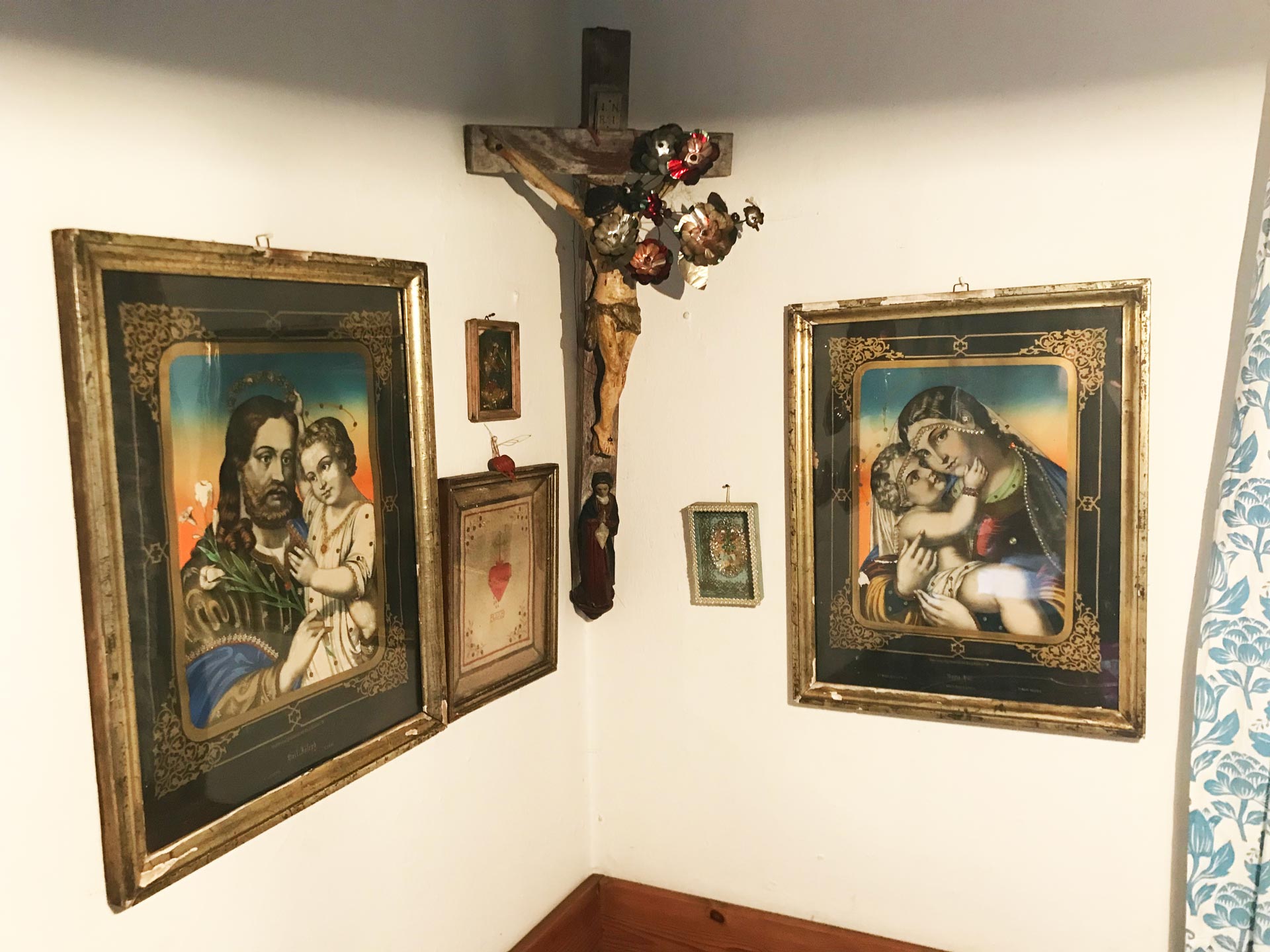
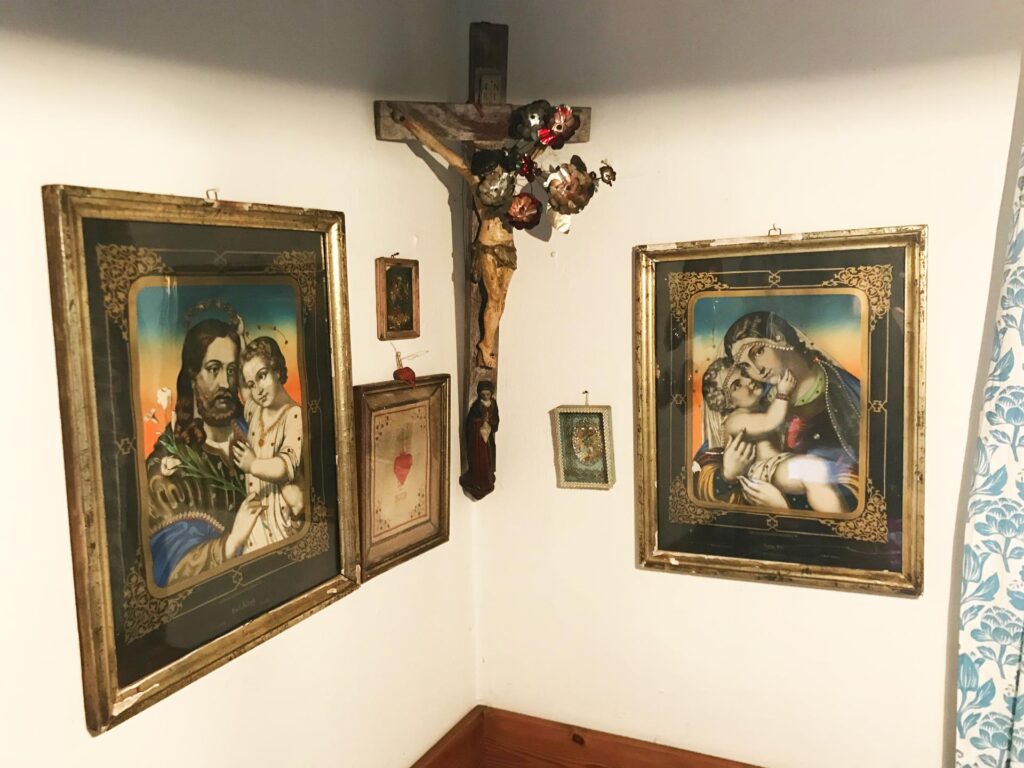
Above the kitchen table hung two framed images: the Virgin Mary with baby Jesus, and Joseph with the child. At first, it was their symbolic weight, their compositional clarity, that drew me in. But then I noticed something unexpected: the backgrounds were rendered in a luminous, contemporary gradient fade.
The juxtaposition was striking.
Centuries-old icons, suddenly speaking the chromatic vernacular of contemporary design—an idiom that has dominated the visual landscape for the past X years. My initial reaction was a pang of designerly doubt. Must everything we invent ultimately echo the past? Is originality always a rediscovery?
Yet, as I lingered in the alpine clarity—perhaps attuned to the spiritual resonance of the icons—I had a shift in perspective. Design history is not a linear march toward novelty but a lattice of recurring motifs, forms, and color strategies, reframed endlessly by context and culture.
This realization is liberating.
Designing is an act of interpretation, not imitation. Typography, composition, color, and iconography are tools, not constraints. Originality emerges not from invention alone, but from perception, curation, and reimagining.
Ultimately, designers participate in a collective visual intelligence. The past is not a limit but a palette. By engaging with it thoughtfully, we connect across time, culture, and perception. Design is not about being first—it’s about being attentive. To see continuity, recognize echoes, and reinterpret them with clarity is the true craft of design. Connection, not invention, is where originality truly resides.